
Thailand Exchange and Money: A Traveler’s Guide
"Discover the ultimate Thailand exchange and money guide! Learn where to get the best exchange rates, tips for using ATMs, Thai currency insights, and how to manage your money safe

Thai Exchange Rate Guide
To make the most of your Thai Baht (THB) while visiting Thailand, understanding the exchange rate can help you manage your budget and travel expenses effectively. Thailand’s exchange rate may vary slightly based on the exchange service you choose, so knowing where to exchange and how much to bring can make your trip smoother and more affordable.
Where to Check the Current Exchange Rate
For the latest Thai Baht exchange rates, reliable updates are available from Thai banks and official exchange kiosks across Thailand. These sources provide accurate rates for popular foreign currencies like the U.S. Dollar (USD), Euro (EUR), British Pound (GBP), Japanese Yen (JPY), and others.
Exchange Options in Thailand: ATMs vs. Currency Exchanges
When it comes to accessing cash in Thailand, you have two main options: using an ATM or exchanging cash at a currency exchange. While ATMs are widely available and convenient, they often come with international fees. Currency exchange kiosks, on the other hand, can offer competitive rates but may have varying fees depending on the location and currency. Both methods have their pros and cons, and the best choice depends on your preference for convenience, fees, and the current exchange rate.
Can You Exchange Old Banknotes in Thailand?
It’s generally best to avoid bringing old or damaged banknotes when exchanging currency in Thailand, as most currency exchange services—especially the more formal ones—are quite particular about accepting only newer, undamaged bills. Here’s why:
- Old Banknote Condition: Older or worn banknotes may not be accepted at all by some currency exchanges, especially those with tears, stains, or heavy creases. Thai exchange services prefer crisp, newer bills because these are easier to validate and handle.
- Higher Exchange Rates for Newer Notes: In some cases, newer banknotes might even fetch a slightly better rate. Certain exchanges apply discounts on older bills, particularly for high-denomination notes from certain currencies.
- Tailor and Small Vendors: Local businesses, like tailors or other small vendors, generally don’t handle foreign currency. They prefer Thai Baht and would usually not accept foreign banknotes directly, even if new. For local purchases, it’s best to exchange your currency at a bank or exchange kiosk first.
For a hassle-free experience, bring fresh, newer bills in high denominations for better exchange rates and ease of transaction.
Where to Exchange Money on Arrival: Airport, Hotel or Bank?
When you arrive in Thailand, here’s a quick guide on the best options for exchanging your money in terms of rates, convenience, and service:
Airport
- Pros: Exchanging money at the airport (such as Suvarnabhumi or Don Mueang in Bangkok) is convenient, especially if you need some Thai Baht right away for transportation or small expenses.
- Cons: Airport exchange counters generally offer the lowest rates compared to banks or independent exchange kiosks in the city. It’s best to exchange only a small amount at the airport to cover immediate needs like taxi fare, and plan to get better rates elsewhere.
Hotel
- Pros: Hotel exchanges are convenient and save time, especially if you arrive late and need a small amount of Thai Baht right away.
- Cons: Hotels typically offer lower rates and may add service fees. It’s not the most cost-effective choice, so only exchange small amounts at your hotel.
Banks and Licensed Exchange Kiosks in the City
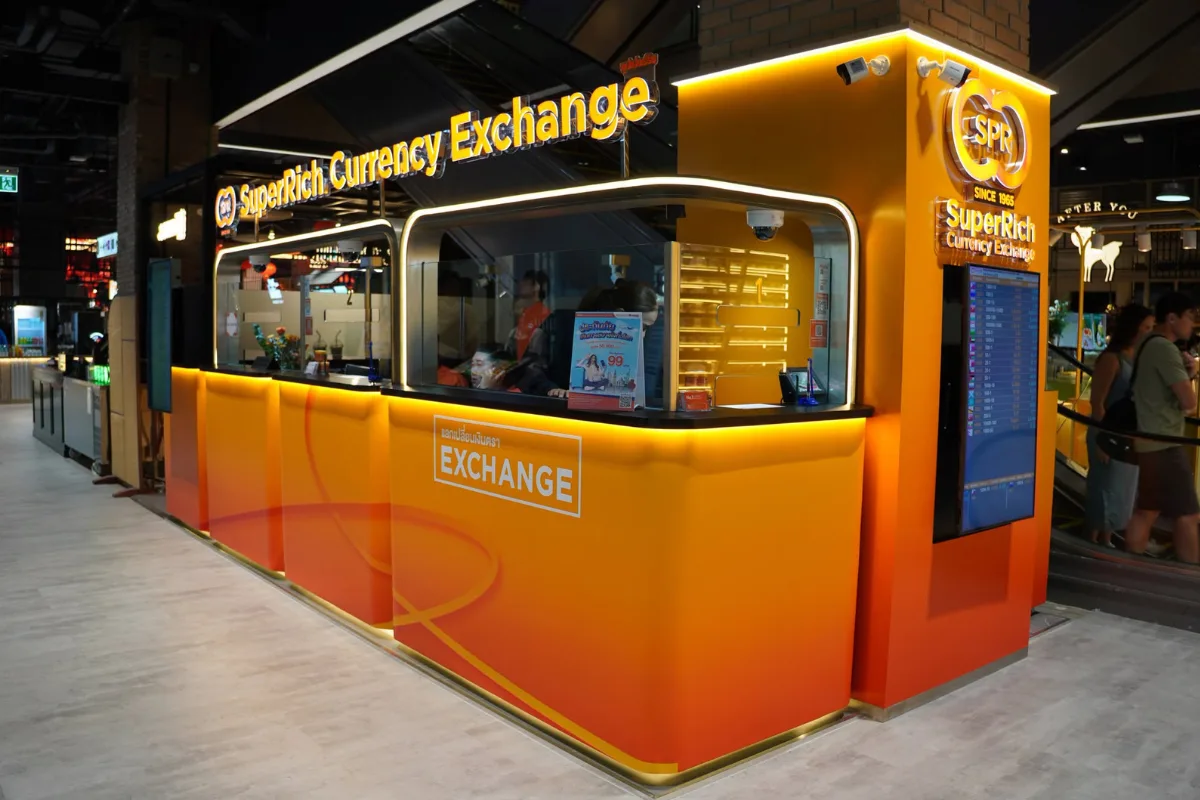
- Pros: Banks and licensed exchange kiosks in the city (such as SuperRich, Vasu Exchange, and others) generally provide better exchange rates than both airports and hotels. Exchange services are common in tourist areas, so you can find competitive rates easily.
- Cons: Bank branches are open only during regular business hours (typically from 9 AM to 3:30 PM on weekdays). However, independent kiosks, especially around busy areas like Sukhumvit or Silom, often have longer hours, even on weekends.
Best Option for Maximum Value:
For the best rates, exchange the bulk of your money at a reputable currency exchange kiosk or a bank branch in Bangkok or other city areas. You’ll get better value for your money, and it’s convenient to locate these services in popular tourist spots.
If you’d like, I can provide a more in-depth version of any section or draft the full article with your specific keyword requirements. Let me know if you’d like further customization on any points!
Related Blog
Do I need to book a Bangkok tour guide?
Best Thailand Tours – A Guide to Finding the Right Tailor-Made Tour Operator
Bangkok Guide for Tourists: Essential Tips to Get the Most Out of Your Visit
Related Tour
BKK Grand Palace, Thai dance & Fun street walk Private local trans
Recent Stories


Book a Tour in Thailand
Experience Bangkok, Chiang Mai, and Phuket with our licensed private tour guides.
Browse ToursRelated Travel Stories

Discover Indonesia Culture: A Journey Through Tradition, Art, and History
Read Story
Laos Travel Guide: Top Tips, Destinations, and Cultural Experiences
Read Story
Vietnam Travel Tips: A Cultural Lover’s Guide to the Charming Land of History and Natural Wonders
Read Story
Cambodia People and Their Unique Way of Life – A Cultural Journey
Read StoryExperience Thailand with Local Guides




Subscribe Our Newsletter
Subscribe our newsletter to get offers and about new places to discover.